Odoo ERP - practical review

Outgrowing spreadsheets and disconnected tools? Odoo ERP unifies sales, inventory, finance and more.

Odoo is a modular open-source ERP for teams from roughly 10 to 200 people. onboos is a Swiss ERP consulting team that runs Odoo in its own operations. This page is an honest fit check: strengths, limits and module scope, without licence sales. More context in our ERP systems overview, plus angles for manufacturing and e-commerce. Licence pricing is transparent on odoo.com/pricing.
80+ modules: use only what you need
Community and Enterprise: from the first user onwards
Open source: no vendor lock-in
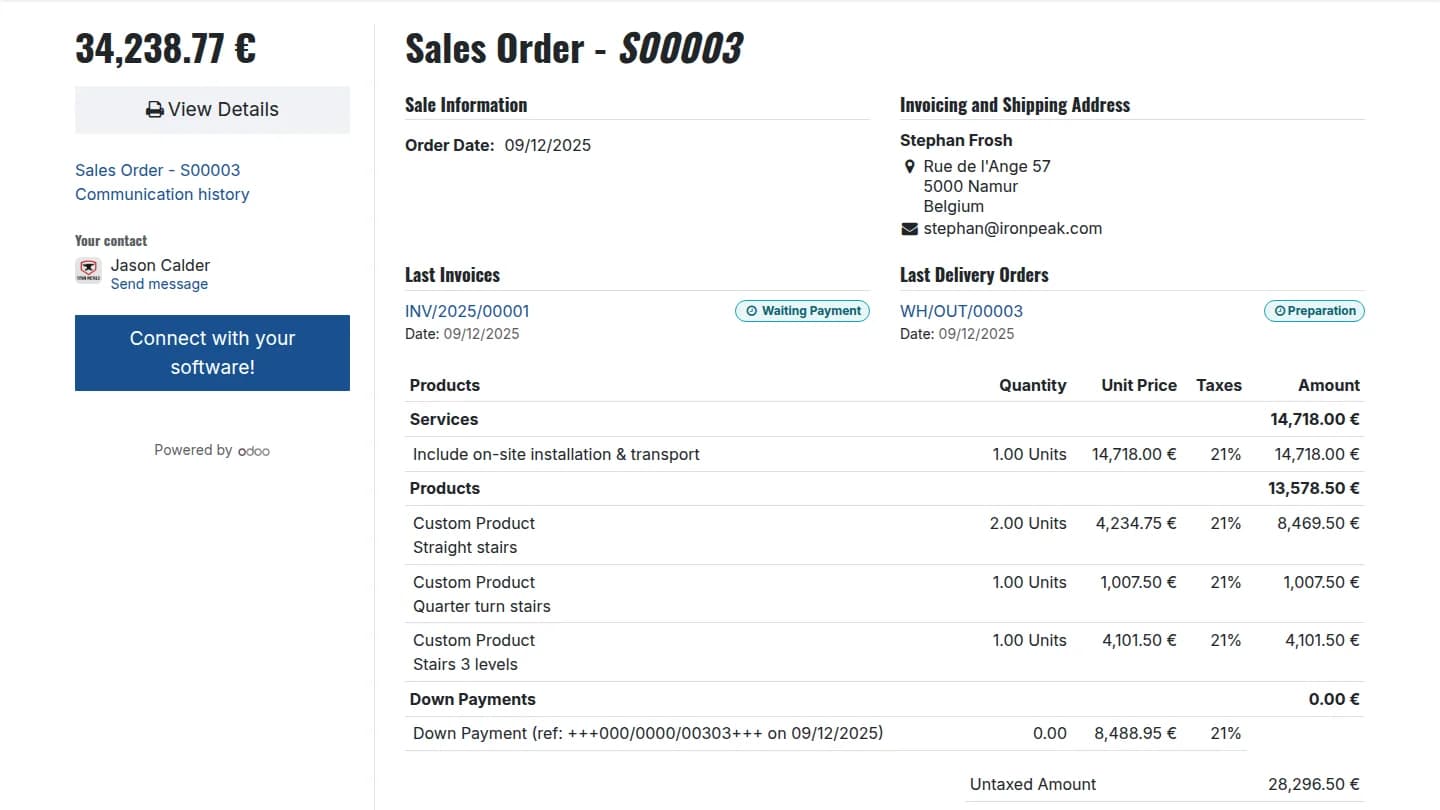
Odoo sales order and customer portal view
01Core strength

Sales and CRM: from pipeline to invoice

Odoo connects CRM and sales without handovers: leads, quotes, orders, deliveries and invoices in one system. No manual retyping, fewer gaps between tools. Sales teams see full customer context.
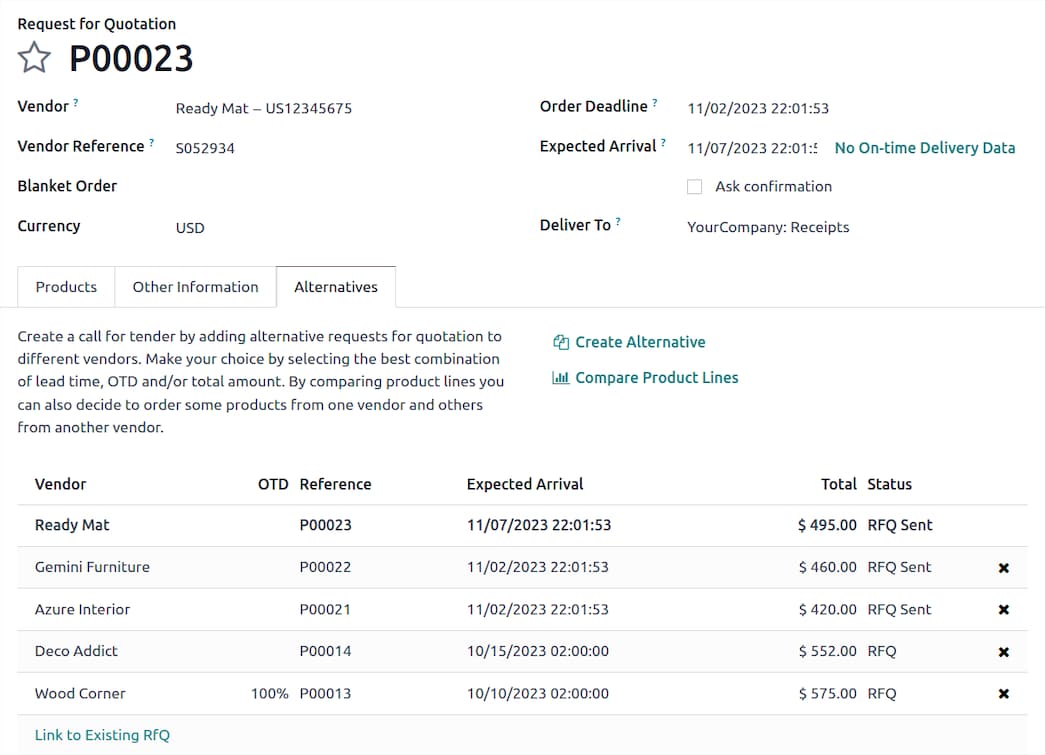
Odoo sales quotation screen with product comparison and alternative offers
02

Warehouse: real time, not spreadsheets

Stock moves, receipts, picks, lots, serial numbers and multi-warehouse flows run in real time. Reorder rules can be automated. For teams still on spreadsheet lists, the operational lift is immediate.
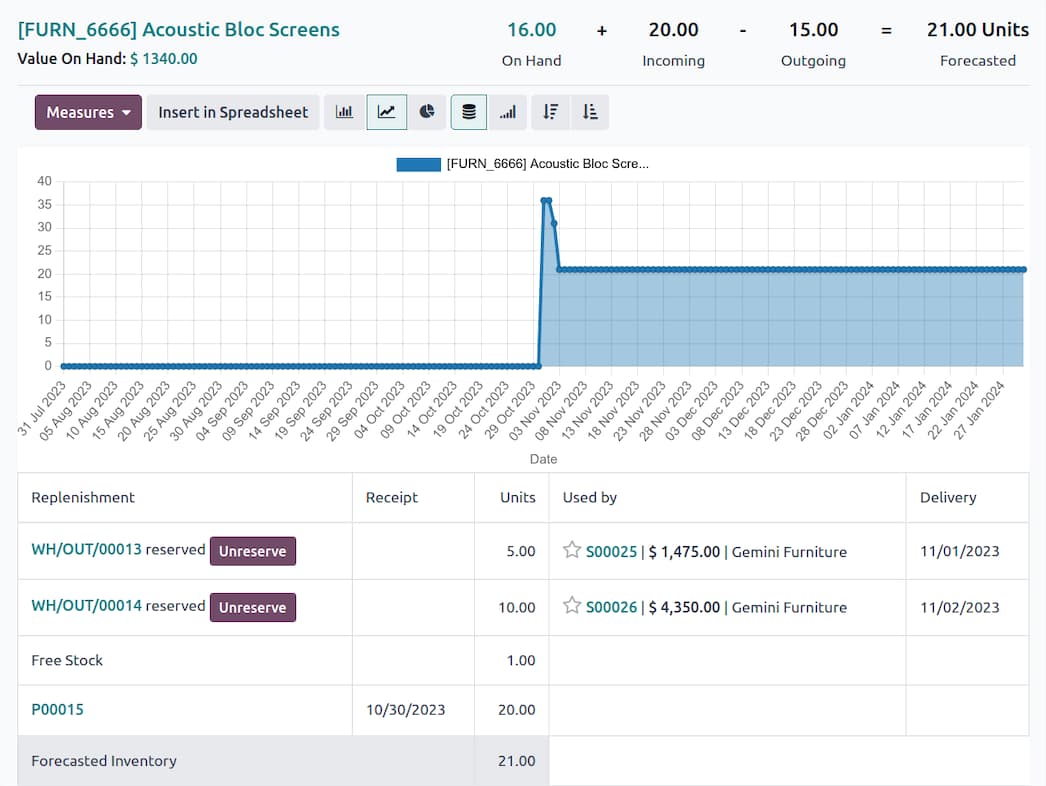
Odoo inventory screen with on-hand stock and forecasted movements
03For makers

Manufacturing and MRP for in-house production

Bills of materials, manufacturing orders, work centres and capacity planning: Odoo ships a full MRP module, which is uncommon at this price point. If you still run BOMs in Excel, this is a meaningful step up.
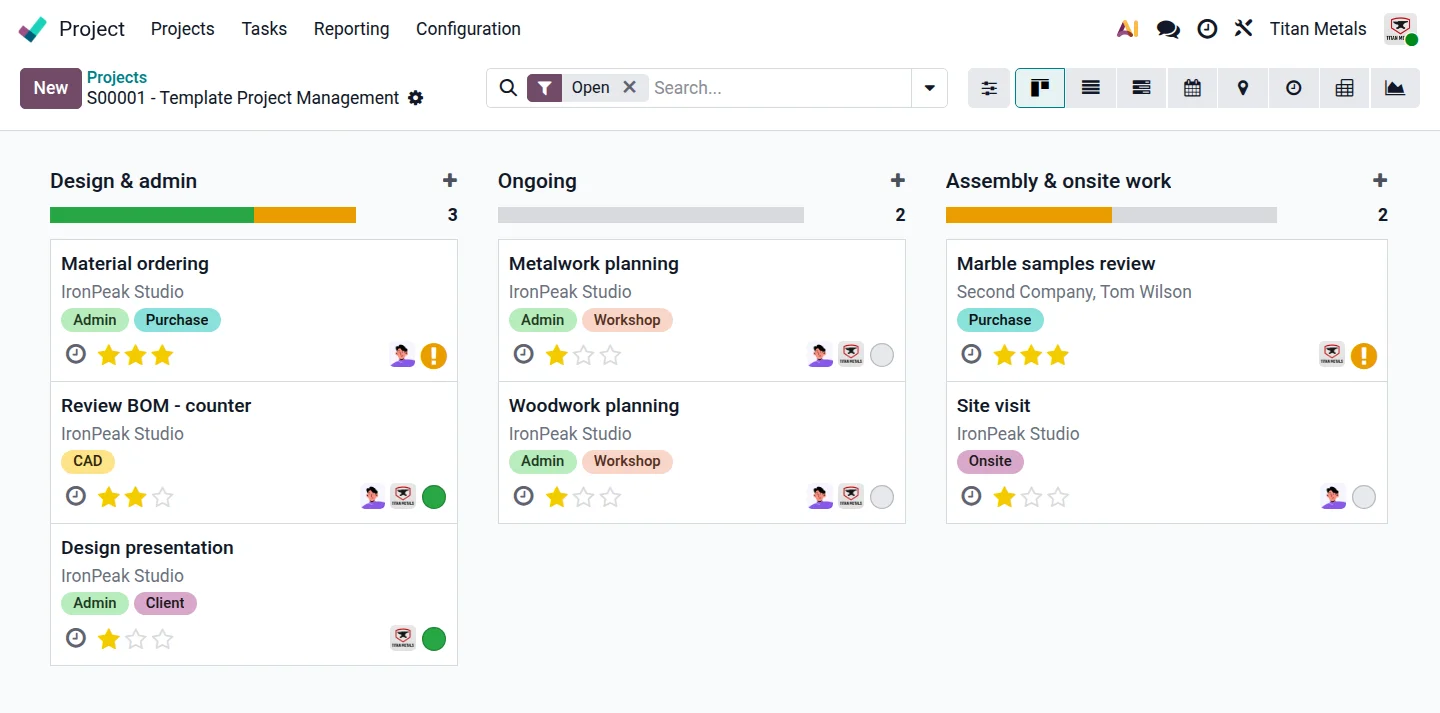
Odoo manufacturing project board with work stages and assignments
04

Accounting: complete, local, without detours

Odoo includes a full accounting module with DACH localisations: Swiss QR-bills, German GoBD and XRechnung, Austrian SAF-T, and bank reconciliation in one stack.
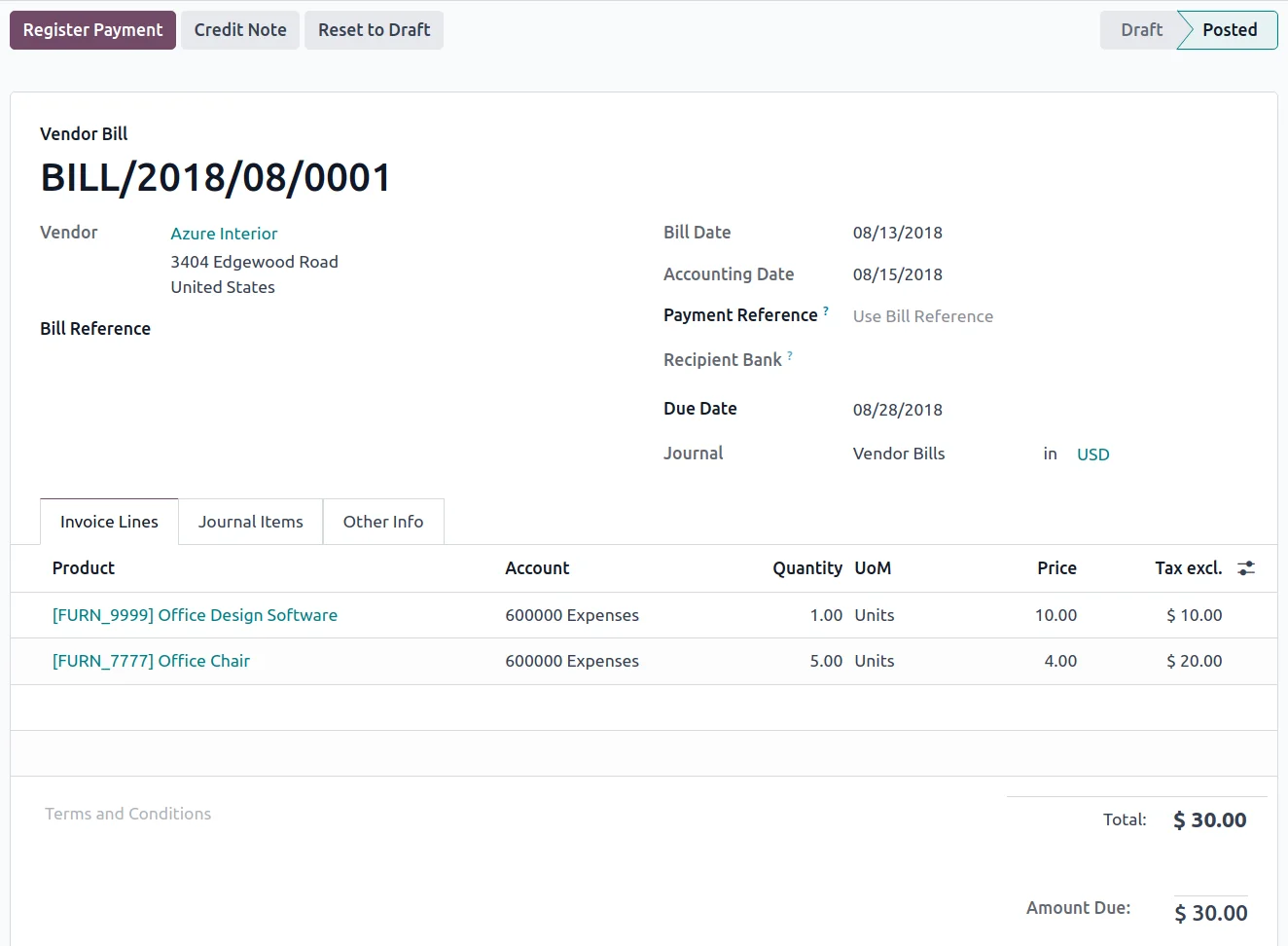
Odoo vendor bill screen with invoice lines and payment registration
05

E-commerce and integrations

Shopify, WooCommerce and Amazon can be connected natively. Stock levels sync and orders land in the ERP. A full REST API supports bespoke integrations into your existing landscape.
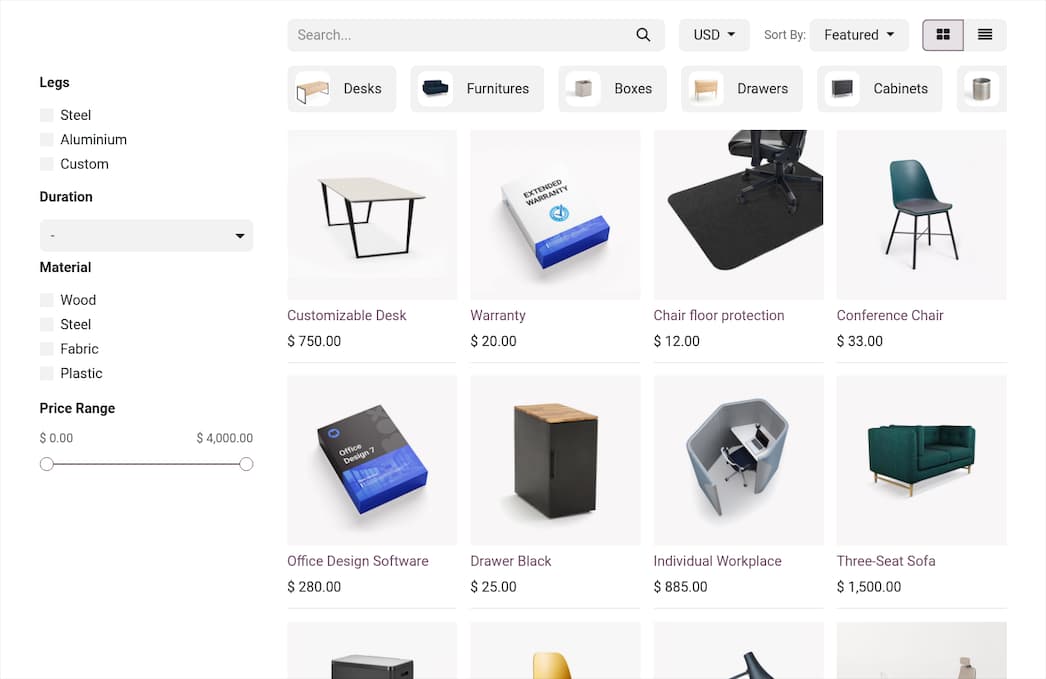

Odoo e-commerce product grid with categories and pricing

Practical review

Odoo in real projects - strengths and limits.

We use Odoo ourselves, every day. Here is what really works well, and where you should expect implementation effort.

Stärken

Full accounting: no external tool required

Unlike many competitors, Odoo ships a complete financial accounting module: vendor and customer invoices, VAT, dunning, bank reconciliation, all native. No DATEV-export workaround and no detour through a separate accounting tool.

Modular: grows with the business

You start with the modules you need today. As the company grows, you add more without a platform change. Sales, inventory, CRM, manufacturing, e-commerce, HR: one database.

Full production and MRP

For companies with in-house manufacturing, Odoo is one of the few ERP systems in this price range with real MRP: bills of materials, manufacturing orders, work centres, capacity planning.

Open source: transparency and control

The code is public and auditable. No vendor lock-in through proprietary formats. On-premise hosting is possible if you want it. Otherwise Odoo.sh or the cloud, in European data centres.

CRM and sales natively integrated

From pipeline to invoice: Odoo connects CRM, quotes, orders and deliveries without media breaks. Sales teams see full customer context without switching tools.

Broad integrations and open API

Shopify, WooCommerce, Amazon, payment providers, shipping carriers, plus a full REST API for bespoke connections. Odoo fits into existing system landscapes.

Grenzen

High flexibility means higher implementation complexity

Odoo can do a lot: that is both strength and risk. If you start without a clear scope, you get lost in configuration options. Structured onboarding is not a nice-to-have, it is a prerequisite.

Community vs Enterprise: the difference matters

Community is free but without vendor support, without Studio and without some enterprise modules. Enterprise licences are priced per user and month. Picking the wrong model gets expensive later.

Customisations can become costly

Odoo is highly adaptable, but custom development costs time and money. On upgrades, custom modules must be retested. Our advice: exhaust standard first, then customise.

User interface: a real learning curve

Odoo is less intuitive than specialised tools. New users need training, especially in accounting and inventory. Without structured onboarding, team adoption drops.

Hosting choice must be deliberate

Cloud, Odoo.sh or on-premise: each option has consequences for cost, control and responsibility. That is not a flaw, but a decision you should make before implementation.

Unser Fazit

Odoo is one of the most capable ERP systems for teams across the DACH region that want finance, CRM, inventory and sales in one system. Rollout needs a clear process. With the right partner, it is often the stronger long-term option than fragmented point tools.

onboos + Odoo

Odoo rollout - structured, not improvised.

We help define fit, module scope and rollout sequence before implementation starts.

Go to Odoo implementation with onboos

Free first consultation with fit and scope assessment.

Honest answers

The questions you actually ask. Our direct answers.

Cost, complexity and deployment model are the central decision topics. Here are practical answers.

Vendor-neutral recommendation
Hands-on Odoo operational experience
If Odoo is not the fit, we say it directly

Community can be enough for lean setups. Enterprise adds support and advanced module capabilities. Fit depends on your process depth.

Typical SME projects run around 3 to 5 months depending on process complexity, migration quality and internal availability.

Yes, through native connectors and API-based integrations. We define what must be integrated before rollout.

You choose the model. Odoo offers Odoo.sh with European data centres, on-premise on your infrastructure, or partner-hosted setups. For GDPR-led programmes we align hosting before go-live.

Yes, fully. Odoo ships in many languages including German for DE, AT and CH. Accounting templates, tax settings and documents are localised.

Public code is reviewable, which supports security hardening. Odoo.sh and Odoo Cloud are ISO 27001 certified. For self-hosting, responsibility sits with your team, and we help pick a sensible hosting model.

David Tatzl - founder of onboos
Your contact person
David Tatzl

Why onboos for Odoo

We run Odoo ourselves, every day.

We are not just Odoo advisors. We operate Odoo in our own daily workflows.

That gives us practical perspective on what scales and what creates friction.

If Odoo is not the right fit for your setup, we tell you directly and recommend alternatives.

No pitch. Clear, practical guidance based on real operations.

Book your first consultation now

Try Odoo or implement directly? In 30 minutes you know what fits.

No sales pressure. We review your process fit, module scope and rollout path.

Book your first consultation now
FreeNon-bindingNo preparation needed

Our promise

If Odoo is not the fit after our talk, we say it directly and suggest alternatives.

Oder schreib uns direkt: [email protected]